Tattoo cost: what you're really paying for, and how to get a fair quote
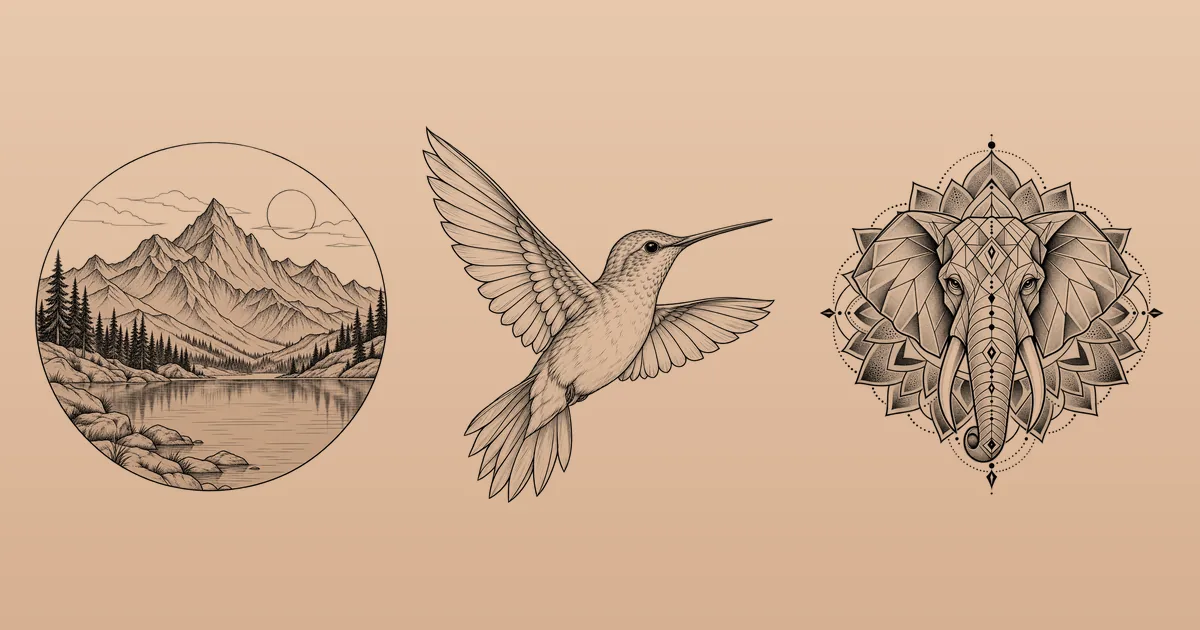
What you pay for a tattoo is mostly time: the hours your design needs, at the rate your artist charges in their city, plus the shop's own rules on minimums, deposits and touch-ups. That's why a tattoo cost quoted before anyone has seen your design is only a guess, and why the right preparation gets you a firmer number.
What goes into a tattoo cost
Every quote is built from the same handful of factors. Some you control; some you don't.
| Factor | Why it changes the price |
|---|---|
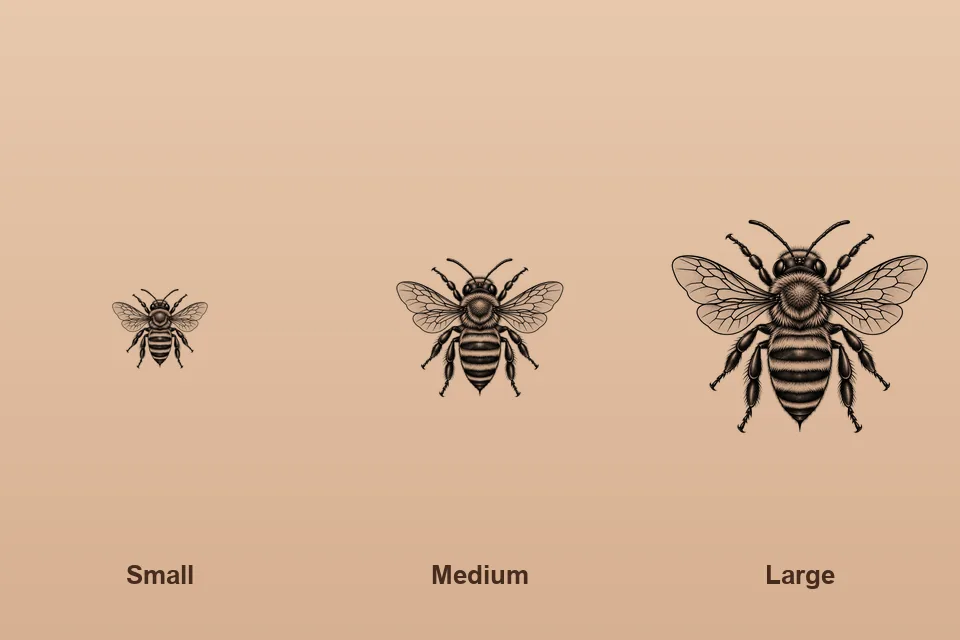
| Size | More skin usually means more hours, though the price rarely grows in a straight line with the size. |
| Detail | Dense shading, dotwork and fine texture take longer than bold, open designs of the same size. |
| Color | Packing several colors or smooth blends can take more time than black and grey. Ask how your artist prices it. |
| Placement | Ribs, hands, feet, necks and other tricky spots can slow the work or call for shorter sessions; our tattoo placement guide compares them. |
| The artist | Experienced, in-demand artists generally charge more than those starting out. |
| The city | Rent, demand and local rates differ widely, so the same design can be priced very differently in two places. |
| Sessions | Big pieces are tattooed over several sittings, often paid one at a time. |
| Shop minimum | Many shops have a minimum charge, so a tiny tattoo can cost about as much as a slightly bigger one. |
| Touch-ups | Some artists include one after healing; others charge for it. |
| Tipping | Customary in some countries, not expected in others. |
Size and detail do most of the work together. A small, bold design is quick, while a palm-sized piece packed with texture can take longer than a bigger, simpler one. Add the artist and the city, and you can see why tattoo costs vary so much by place and by artist, and why a number found online, without your design, your size and your city, tells you little.
Hourly rates, flat prices and day rates
Artists turn those factors into a tattoo cost in a few common ways, and many shops mix them:
- A flat price per piece, typical for small tattoos and flash, where the design and the size are already set.
- An hourly rate, typical for larger custom work. The quote estimates the hours; the final bill follows the time it actually takes.
- A day or session rate, which some artists use for long sittings on big projects.
- A shop minimum, the least you'll pay for any tattoo, covering setup, single-use supplies and cleanup.
Expect a deposit when you book custom work. Many shops take it off the final price, and some keep it if you cancel late or don't show. Ask whether it's refundable and how much notice you need to give to move a date. Some artists also charge for drawing time, especially when a design changes many times; our custom tattoo design guide explains how that process usually runs.
Sleeves and back pieces: paying for a project
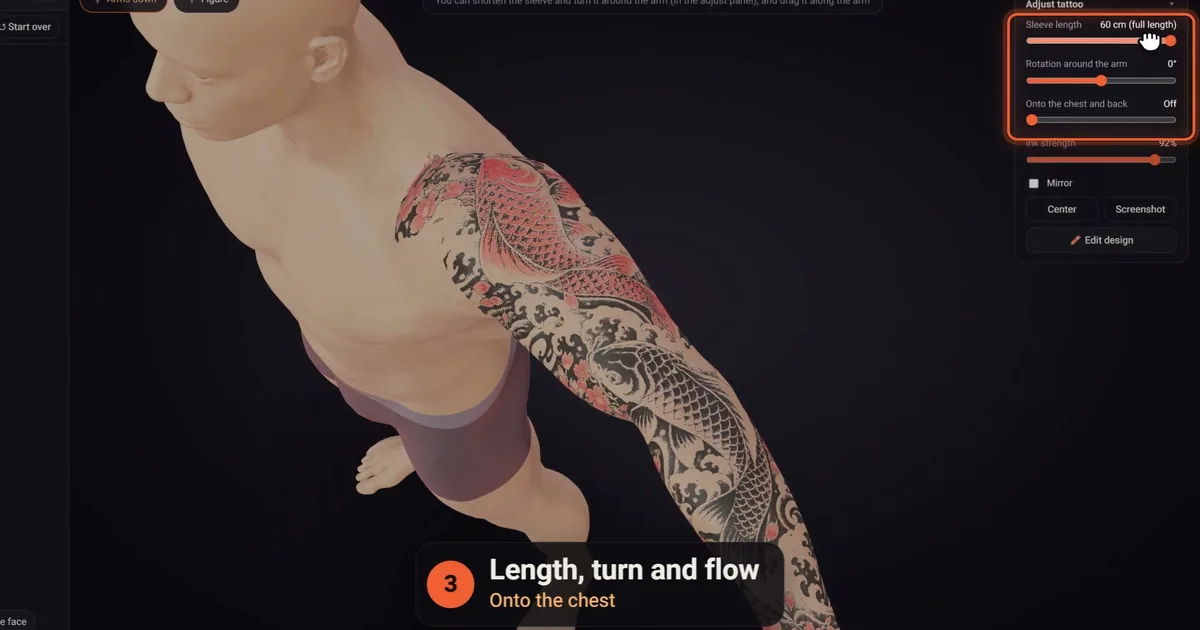
Big work changes how a tattoo cost is worked out, because it's tattooed differently. A planned sleeve takes many long hours and can take weeks, months or years to finish, so it's often paid session by session rather than all at once. Ask for an estimate of the total hours, not only the first sitting, and count the healing time between sessions as part of the plan.
A clear plan protects your budget: when the whole layout is settled first, the hours go into tattooing rather than redesigning halfway through. Our sleeve tattoos guide covers how big projects come together.
Costs beyond the needle
- Touch-ups. Some artists offer a free touch-up once the tattoo has healed, often within a set period; others charge. Hands, fingers and feet tend to need them more.
- Aftercare. The cleanser and moisturizer your artist recommends cost little, and following their instructions is the cheapest insurance a new tattoo has.
- Tips. Tipping customs vary by country: in some, it's customary to tip tattoo artists, much as you'd tip a hair stylist; in others, a tip isn't expected at all. If you're unsure, ask the shop what's usual.
- Changing your mind later. A cover-up usually means a bigger, darker design, and laser removal, the FDA explains, requires multiple treatments a few weeks apart, with complete removal not always possible. Getting it right the first time is the real saving.
Why the cheapest quote can cost the most
Wikipedia's article on tattoo artists describes "scratchers": unlicensed tattooers who offer reduced rates to draw customers away from professional shops. A bargain stops being one if the lines blur or the work needs fixing. In the US, the FDA notes that state and local authorities oversee the practice of tattooing, and that permanent tattoos are designed to last a lifetime and are difficult to remove. Check that a shop meets your local rules, and judge artists by their healed work, not only by fresh photos.
Different prices from licensed, experienced artists are normal, though. Two good artists can quote very differently for the same design because of their hours, their city and their waiting list. Compare portfolios first and prices second.
Spending less without cutting corners
You can bring a tattoo cost down without gambling on quality:
- Choose flash. Designs the artist has already drawn often come at a set price; our flash tattoo guide explains how flash works.
- Simplify rather than shrink. Fewer elements at a sensible size take less time than a crowded design squeezed small, and they age better; the tattoo size guide shows why.
- Arrive with a finished plan. Placement, size and reference decided before the session means no paid minutes spent deciding.
- Wait rather than settle. A few months saving for the artist you really want beats a rushed compromise you may pay to fix.
How to get an accurate quote
- Say where it goes and how big, in centimeters or inches, measured on your body.
- Send a clear reference: the design itself if you have one, or two or three images that show the style.
- Say color or black and grey, and mention any tattoo it has to cover or sit beside, with photos.
- Ask what's included: drawing time, the deposit, touch-ups, and how extra time is charged.
- Share your budget honestly. A good artist will tell you what it can buy: a smaller piece, a simpler version, or the same design spread over sessions.
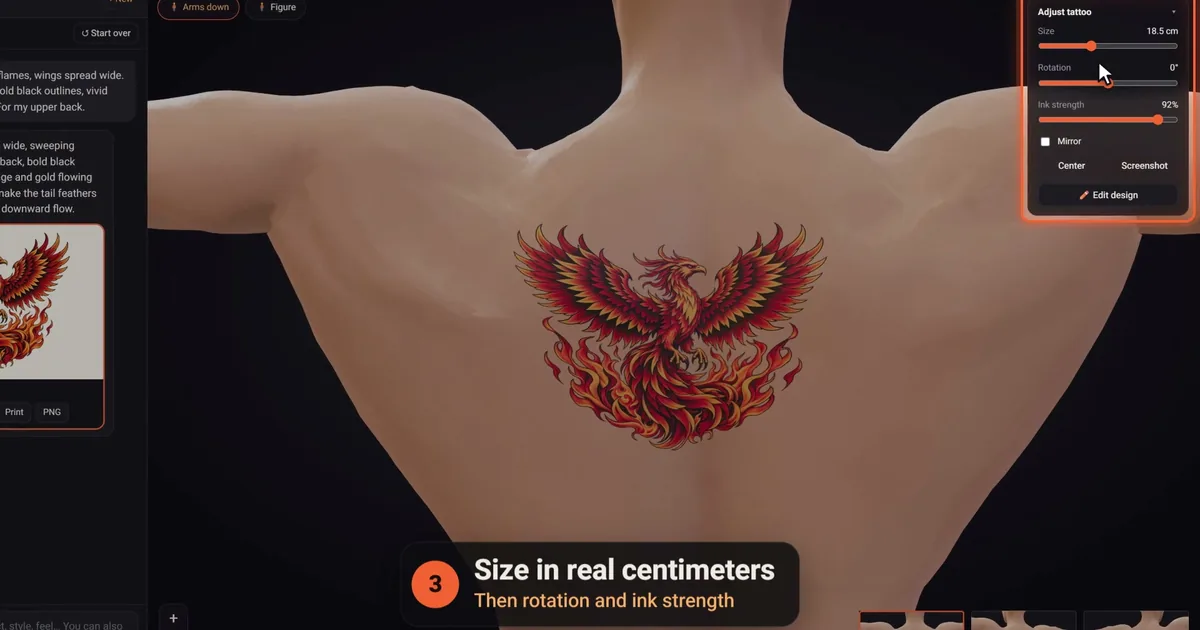
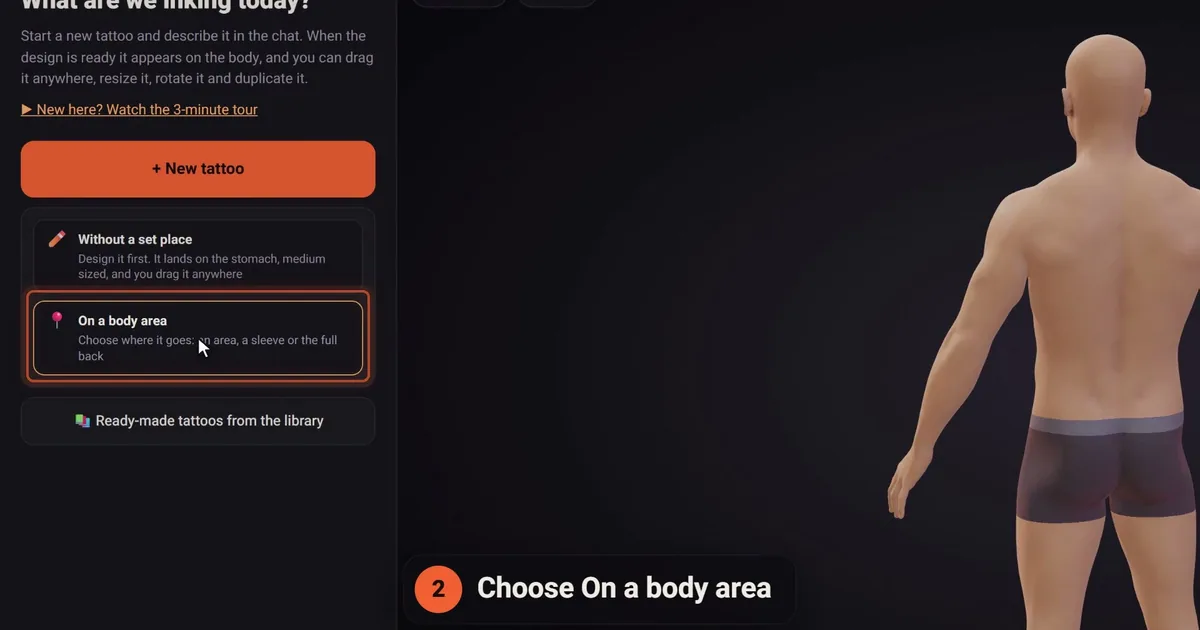
This is where click2ink, the design studio we make, fits in. It doesn't price tattoos; only your artist can quote yours. What it gives you is a finished design already placed on a 3D figure at its real size in centimeters, a stencil you can print at true size with a 5 cm check ruler, and a share link that opens the figure in 3D for your artist. With the size, the placement and the level of detail settled before the consultation, a quote is easier to give. Designing is separate from what your artist charges: new accounts start with 3 free credits, enough for 12 messages to the AI artist, and packs start at $5 for 10 credits (see pricing).
Asking about tattoo prices
How much does a tattoo cost?
There's no single answer, because the price depends on the size, the detail, the placement, the artist and the city, and prices vary widely between places and artists. The honest way to find out is to ask two or three artists whose healed work you love, send each the same design, size and placement, and compare what each quote includes.
Why won't an artist give me a price over the phone?
Because the price follows the time your design will take, and that's hard to judge without seeing it. Many artists ask for the placement, the size and a reference before they quote, and some only give a range until they've drawn it. Sending a clear design with its real size and a photo of the spot is the fastest way to a firm number.
What is a shop minimum?
It's the lowest price a shop charges for any tattoo, however small. It covers setup, sterile single-use supplies, cleanup and the artist's time between clients. That's why a tiny symbol may cost about the same as a slightly bigger design, and why it can make sense to go a little bigger, or to ask whether a second small piece fits into the same appointment.
Is the deposit part of the price?
Often, yes. Many shops subtract the deposit from the final price, but policies vary. Some deposits are non-refundable, or are lost if you cancel late or don't show up. Ask how yours will be applied, whether it covers drawing time, and how much notice you need to give to move an appointment without losing it.
Should I tip my tattoo artist?
It depends on where you are. In some countries tipping tattoo artists is customary, much like tipping a hair stylist; in others it isn't expected and may even feel odd. If you're unsure, ask the shop what's usual. Wherever you are, a kind review and a recommendation to friends are welcome, and they cost nothing.
Is color more expensive than black and grey?
Sometimes. Packing several colors or smooth blends can take longer than black and grey shading, and time is what most artists charge for. But a dense black and grey piece can take just as long as a colorful one. If you're undecided, ask your artist to quote both; in click2ink, the Add colour and Black & grey buttons let you compare the two looks first.
Can I negotiate the price of a tattoo?
It's better to discuss your budget than to haggle over a quote, because the price reflects the artist's time and skill. Tell the artist what you can spend and ask what's possible: a smaller size, a simpler design, or a plan spread over several sessions. Flash, with its set prices, is the simplest way to know the cost up front.
Are touch-ups included in the price?
Sometimes. Some artists offer a free touch-up within a set time after healing, as long as you followed the aftercare, while others charge for every visit. A touch-up years later, after sun and wear have softened the lines, is a separate question. Ask before the session, and look after the healing tattoo so you need as few as possible.
Can click2ink estimate my tattoo cost?
No. click2ink is a design and preview tool, and only your tattoo artist can price your tattoo. What it does is make a quote easier to give: you can bring a finished design at its real size, placed on a 3D figure, a stencil printed at true size, and a link your artist can open to see the placement from every angle.