Small tattoos: ideas, sizes and spots that stay sharp
How small can a tattoo be before it turns into a smudge? Small tattoos look simple, but they're the least forgiving kind: every line shows, and there's no room to hide a wobble. Here's how to choose ideas that suit a tiny size, the sizes that really work, the spots that keep lines crisp, and how to try one on first.
How small is small?
There's no official scale, and artists don't all draw the line in the same place. Everyday objects make a practical yardstick:
| Size | Roughly | What fits |
|---|---|---|
| under 2 cm (under ¾ in) | a fingernail | one bold symbol, an initial, a dot or two |
| 2–4 cm (¾–1½ in) | a coin | a simple sun, a heart outline, a small wave, a short word in clean letters |
| 4–7 cm (1½–2¾ in) | a matchbox | a flower with leaves, a small animal outline, a short phrase |
| 7–10 cm (2¾–4 in) | the palm of a hand | a bird in flight, a tiny landscape in a circle, a name with a small motif |
The smaller the piece, the fewer elements it can hold. That isn't an artist being difficult; it's how ink behaves in skin.
Why small tattoos blur, and how to design around it
Tattoo ink sits in the dermis, the layer beneath the skin's surface, and it doesn't stay perfectly still. Over the years pigment drifts deeper into the dermis, which is why old tattoos lose fine detail. On a big piece, lines that thicken a little still read. On a tiny one, two lines a millimeter apart can merge into one. A few habits keep small tattoos readable:
- Leave gaps at least as wide as the lines themselves, so the spaces survive as the lines spread.
- Skip tiny closed loops. The holes in letters like a, e and o fill in first, which is why micro lettering suffers most.
- Choose one subject. A single sun reads; a sun, a moon and three stars at the same size become a cluster.
- Prefer outline over gradient. Smooth shading needs room, and at coin size a clean outline or a solid fill lasts longer.
- When unsure, go a size up. An extra centimeter barely changes the look and buys years of clarity.
Ideas for small tattoos that suit the size
The best small designs are shapes you'd recognize from across a room. Some that work, with a rough size to aim for:
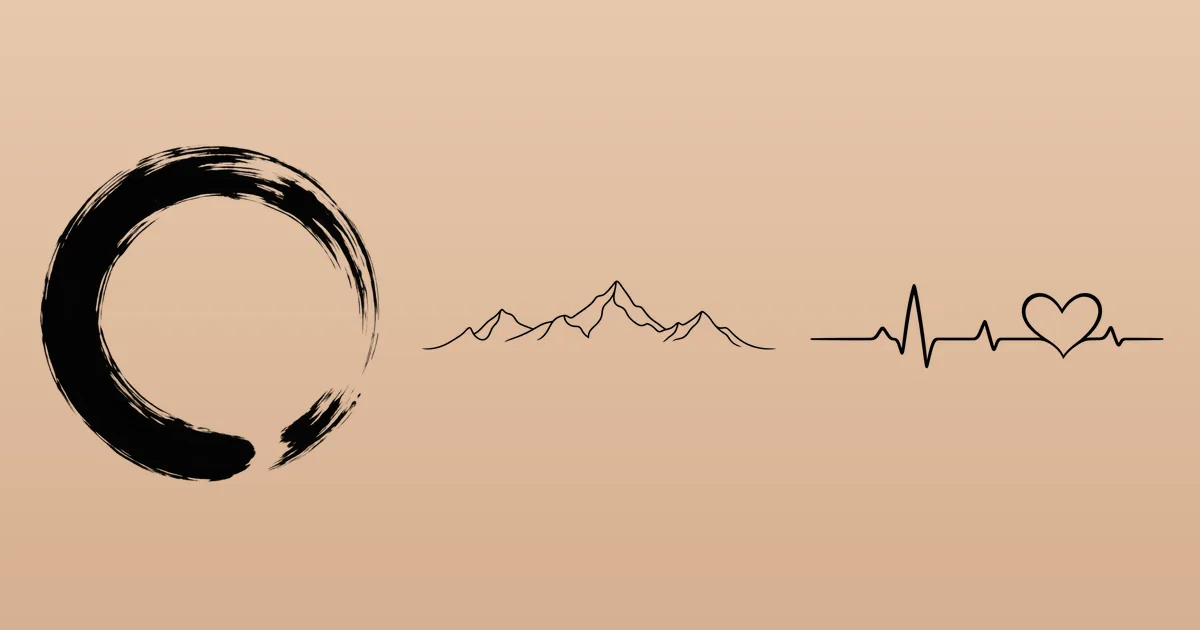
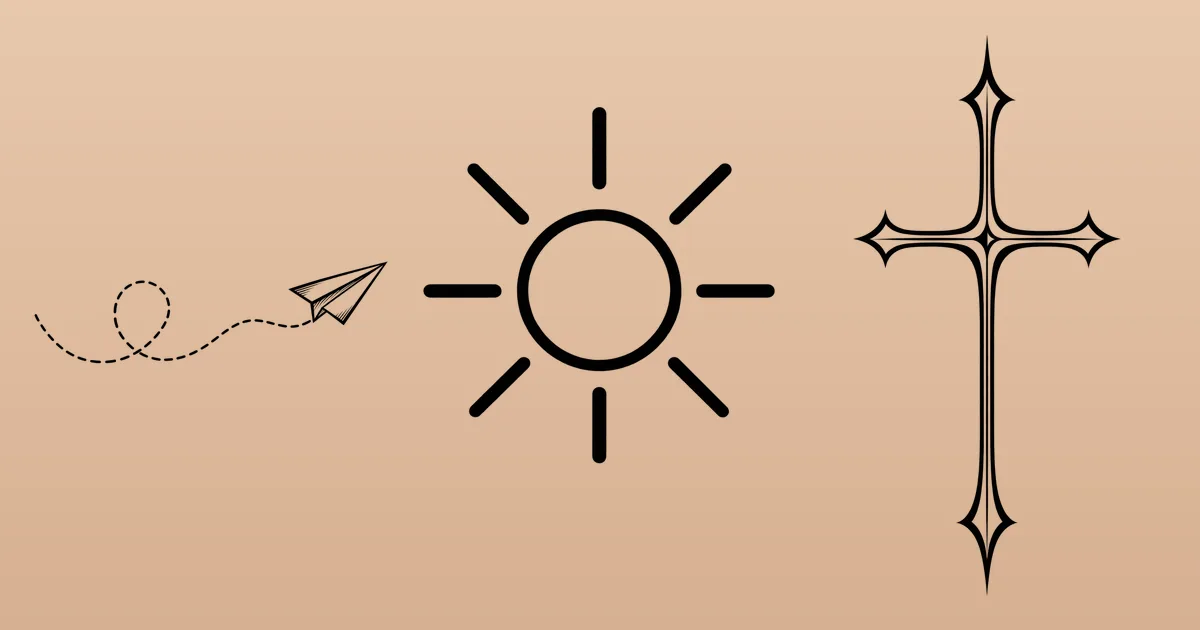
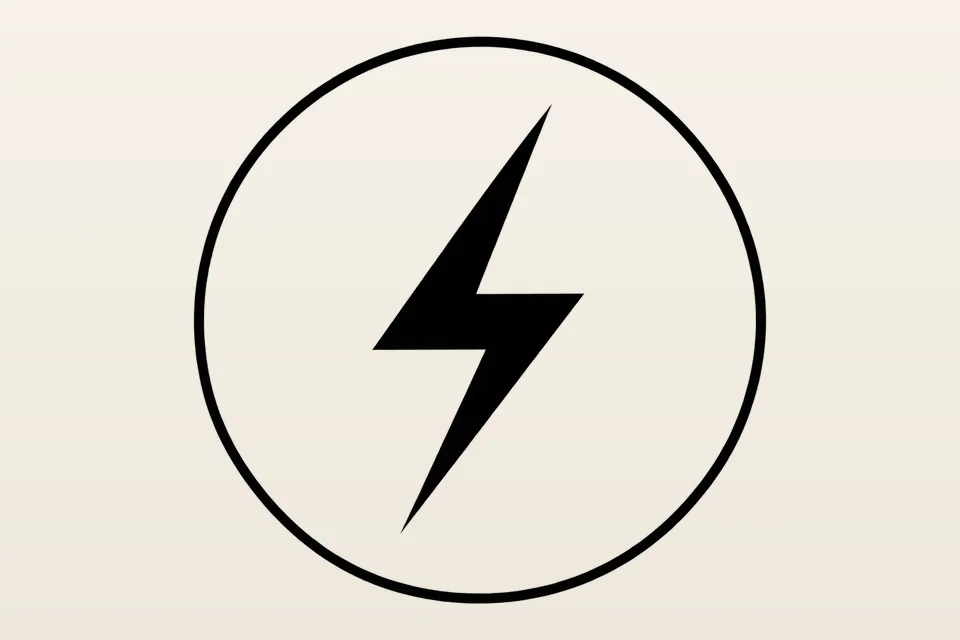
- Shapes and symbols: a sun with straight rays, a crescent moon, a lightning bolt in a thin circle, a slim cross, a heart outline, an arrow. Clean geometry holds even at 2 to 3 cm.
- Motion: a paper plane trailing a dashed flight path, a swallow in flight, a single wave. Give dashed lines generous gaps so each dash stays separate.
- Nature: a single leaf, an olive sprig, a pine tree, a mountain ridge drawn in one line. Around 4 to 6 cm lets leaves keep their shape.
- Animal outlines: a cat's silhouette, a whale's tail, a bee. Outline only, about 3 to 5 cm.
- Words and numbers: initials, a date in roman numerals, one short word. Use a clean font and enough height that the letters stay open.
- Celestial: three stars, a small constellation, a row of moon phases. Keep the stars few and well spaced.
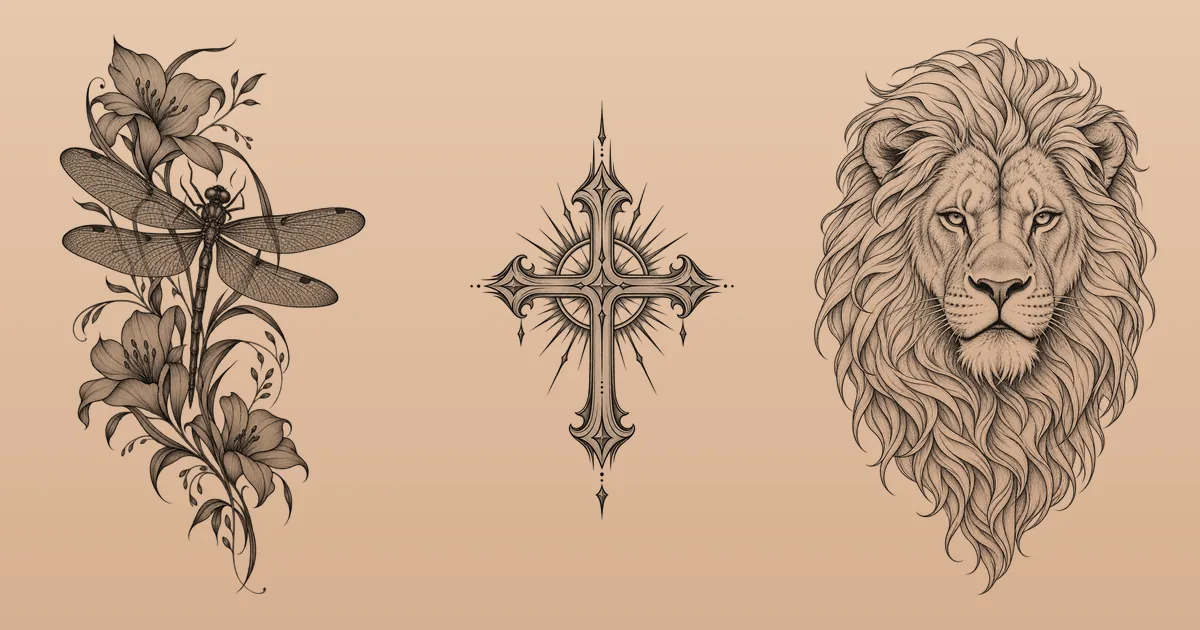
These live naturally in minimalist and fine line styles; our guides to minimalist tattoos and fine line tattoos go deeper into each.
The best spots for a small piece
- Inner wrist and inner forearm: flat, easy for you to see, and easy to cover with a watch strap or a sleeve.
- Behind the ear and the back of the neck: discreet, especially with long hair, and suited to tiny symbols.
- Collarbone: a natural line for a short word or a small branch.
- Ankle: a small symbol on the outer ankle, or a thin band around it.
- Ribs and side: private, with room for a short line of script.
- Fingers, hands and feet: charming, but hard on ink. They're used, washed and rubbed constantly, so small designs there tend to fade or blur sooner.
A small tattoo is often the first of several, so if you might add more, leave space around it. Our tattoo size guide helps you match sizes to each body area.
Try a tiny design at its real size
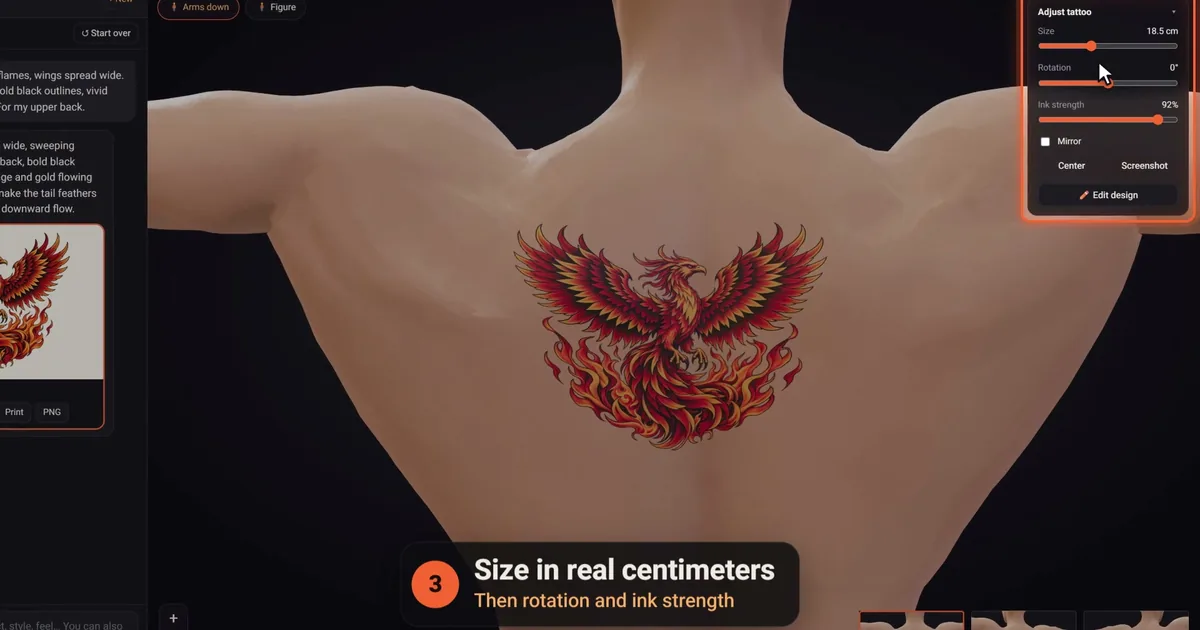
A small design is easy to misjudge on a screen, where it fills the whole phone. In click2ink you can tap a spot such as the ankle, the hand or the back of the neck, pick a style like fine line or minimalist, and describe it with its size: "a lightning bolt inside a thin circle, about 3 cm, clean lines, for the inner wrist." If the result comes back too busy, the Simpler button under the newest design pares it back.
Then set the exact size in centimeters on the figure, which is sized to your height, and zoom in to see how it sits. The print page puts the stencil at its real size with a 5 cm check ruler: print without scaling, measure the ruler, and hold the print against your skin before you book.
Small, but still a real tattoo
A tiny tattoo goes through the same process as a big one: needles, healing time and aftercare. Choose a licensed studio and follow your artist's aftercare instructions. The FDA's consumer guide Think Before You Ink notes that it hasn't approved any pigments for injection into the skin for cosmetic purposes, and explains the risks, from infections to allergic reactions, and what to do if something goes wrong.
On price, ask for a quote first, because small pieces don't always cost as little as you'd guess. The design side is easier to budget: click2ink gives you 3 free credits when you sign in with Google, then one-time packs from $5 for 10 credits, and the library's ready-made designs are free. The pricing page has the details.
Tiny tattoos: what people want to know
What's the smallest a tattoo can be?
Technically, a single dot. In practice, a design needs enough room for its lines to stay apart as the tattoo ages, which for a simple symbol usually means a couple of centimeters or more. Your artist will tell you the smallest size they'd do for your specific design, and that number is worth listening to.
Do small tattoos hurt less?
They're over faster, which is the biggest difference. The sensation depends more on the spot than the size: thin skin over bone, such as the ankle, the collarbone and the fingers, is commonly described as more intense than the outer arm or thigh. Everyone feels it differently, so ask your artist what to expect, and a doctor about any health concerns.
Do tiny tattoos fade faster?
Not necessarily, but aging shows on them sooner. A slight blur that a big piece absorbs can make a tiny one hard to read. Placement matters too: hands, fingers and feet tend to lose definition faster than the inner arm or the back. Sun protection and good aftercare help any tattoo stay crisp for longer.
Can a small tattoo be in color?
Yes. Small color pieces work best with a few flat, saturated colors inside a clear outline, like a tiny traditional swallow or a pair of cherries. Soft gradients and pale shades need more room and tend to fade sooner at a small size. Keep the palette short, and ask your artist which shades hold up best on your skin.
How small can lettering go?
Not as small as most people hope. Letters need open loops and clear gaps, so a short word in clean script or simple capitals usually wants a few centimeters of width, and long names or full dates need real length, such as the inner forearm, the collarbone or the ribs. Initials and roman numerals are compact alternatives when space is tight.
Why do some artists turn down very tiny designs?
Because they know how it will look in a few years. A design packed into too small a space can blur into something unreadable, and the artist's name goes on that result. When an artist suggests going bigger or simpler, they're protecting your tattoo, not upselling you. Ask to see healed photos of their small work.
Do small tattoos cost less?
Usually less than big ones, but not in proportion. Many shops charge a minimum that covers setup, single-use supplies and the artist's time, so a tiny piece may cost about as much as a slightly bigger one. Prices vary by city and artist, so ask for a quote on your exact design and placement.
Can I add to a small tattoo later?
Often, yes. A small piece can become part of a bigger design, or gain neighbors in the same style. It's easiest when you've left space around it and kept the first one simple. If you already suspect it might grow, tell your artist, so they can place it where a future piece has somewhere to go.
Are finger tattoos a bad idea?
Not a bad idea, just a high-maintenance one. Fingers are used, washed and rubbed all day, so finger tattoos often fade or blur sooner and may need touch-ups. Some artists won't do them, or won't guarantee them. If you love the idea, choose a bold, simple design and treat the first touch-up as part of the plan.