Hand tattoo: designs that stay bold on hardworking skin
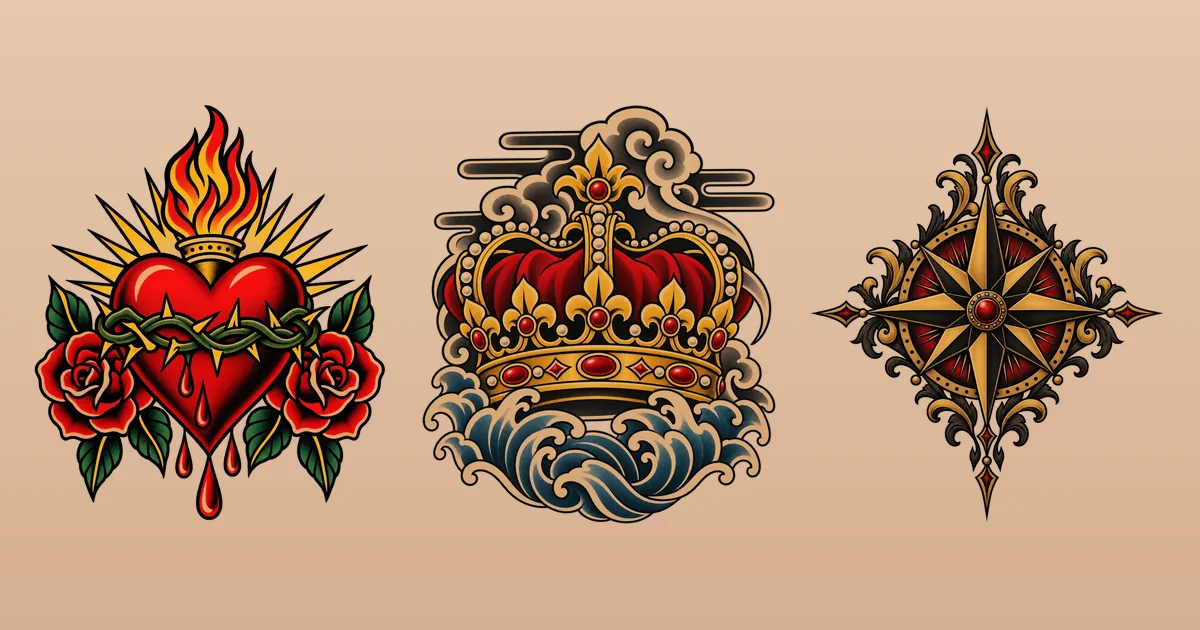
Your hands get washed, rubbed, sunned and looked at more than any other skin you own. That sums up a hand tattoo: the most visible placement there is, and the hardest on ink. Pick a bold design that fits the shape of the hand and it can stay sharp for years. Here's how to choose one.
Why the hand is a different canvas
Three things set hands apart from every other placement:
- Wear. Hands are washed, scrubbed and used all day, so soap and friction work on a tattoo there for decades. Artists expect hand pieces to soften sooner than an arm piece would.
- Skin. The skin on the back of the hand is thin and lies close over tendons and knuckles. The palm and the palm side of the fingers are another kind of skin altogether: glabrous skin, the hairless type also found on the soles of the feet. Ink tends to hold poorly there, so many artists turn palms down.
- Sun. The American Academy of Dermatology notes that UV light can fade some tattoo inks, and your hands are in daylight whenever you are. Sunscreen on a healed hand piece helps.
None of that rules a hand tattoo out. It just calls for designs that are bolder, simpler and often a little bigger.
Hand tattoo ideas, spot by spot
A hand is several small canvases, each with its own shape and lifespan.
| Spot | Shape | Ideas that suit it | Good to know |
|---|---|---|---|
| Back of the hand | a broad panel that narrows toward the wrist | a rose, a heart, a moth, a mandala, a dagger pointing toward the fingers | the main canvas, with room for one bold subject |
| Knuckles | a row of four small panels | one letter per finger, card suits, tiny symbols | the classic spot for lettering |
| Tops of the fingers | tiny and curved | a dot, a star, a crescent moon, a band worn like a ring | keep shapes simple and solid |
| Sides of the fingers | thin strips | a short word, a line of dots | among the quickest spots to fade |
| Thumb and the web of the hand | small, and folds when you grip | a swallow, a star, a small flower | the crease can bend a design |
| Palm | soft and deeply creased | rarely recommended | many artists decline it |
Knuckle lettering is a tradition of its own. A knuckle tattoo sits on the tops of the fingers between the joints, usually as two four-letter words or one eight-letter word, like the HOLD FAST that sailors wore as a charm for a sure grip, or the LOVE and HATE of Robert Mitchum's preacher in the 1955 film The Night of the Hunter. Choose words you'll still want to say in twenty years.
Where the hand meets the wrist, our forearm tattoo guide takes over.
Designs that survive daily wear
Designs that age well on hands share a few habits:
- A bold outline. A strong contour holds the shape together as the inside softens, which is why American traditional suits hands so well.
- Solid black against open skin. High contrast keeps reading for years, while pale colors and soft gradients fade first. click2ink designs leave out white ink unless you ask for it, and use bare skin for the highlights.
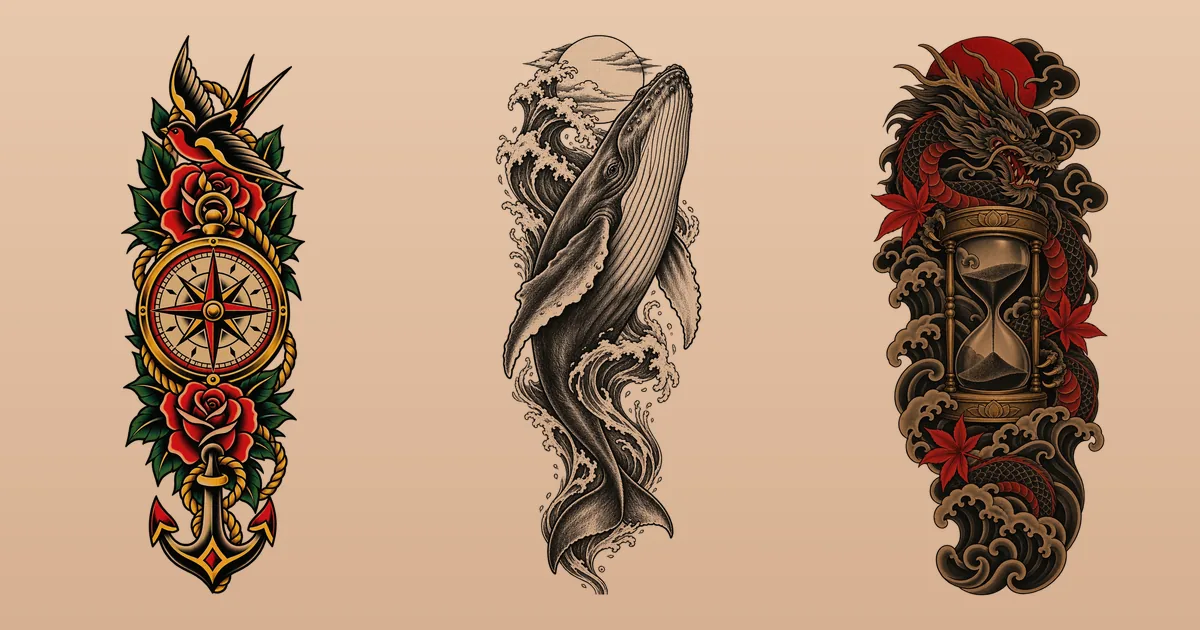
- One subject, not a scene. A rose, a heart, a swallow, a skull. A landscape needs more room than a hand can give.
- Gaps wider than the lines. Lines spread a little over time, and narrow gaps are the first to fill in.
- A shape that follows the hand. Designs that point toward the fingers, or sit like a shield on the back of the hand, look intended. A wide rectangle looks stuck on.
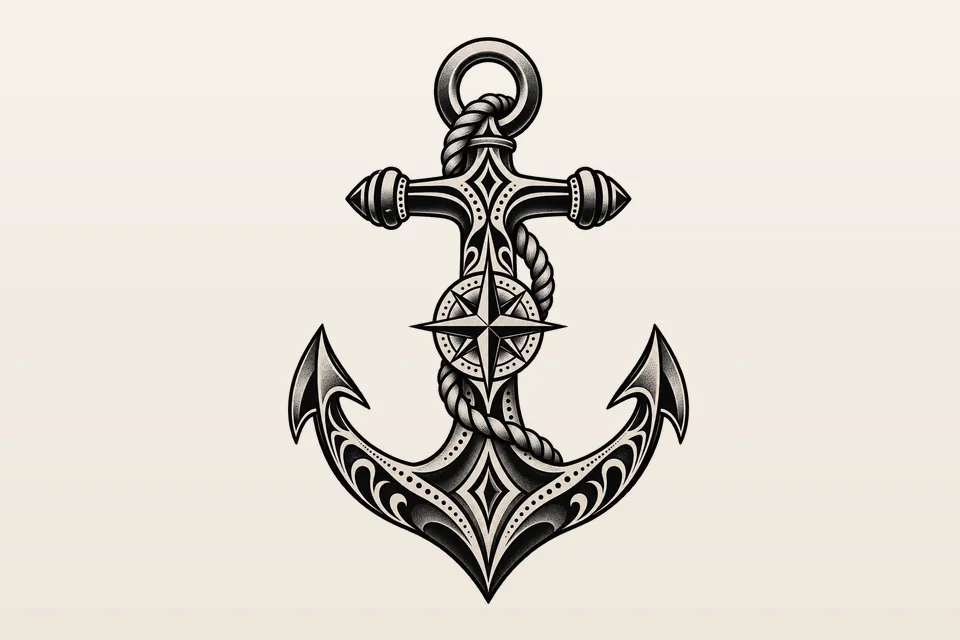
Our tattoo size guide suggests about 3 to 10 cm (1 to 4 in) on the longest side as a starting range for the hand. Fine line work looks lovely while it's fresh, but thin lines have the least margin for wear; if you love the look, go a size up and ask to see the artist's healed hand work.
Finger tattoos: small ideas, honest expectations
Finger tattoos are charming when they're kept simple:
- A band that sits like a ring: a solid line, a row of dots or a simple braid. Some people tattoo one in place of a wedding ring.
- A letter on each knuckle, spelling a word, initials or a short date.
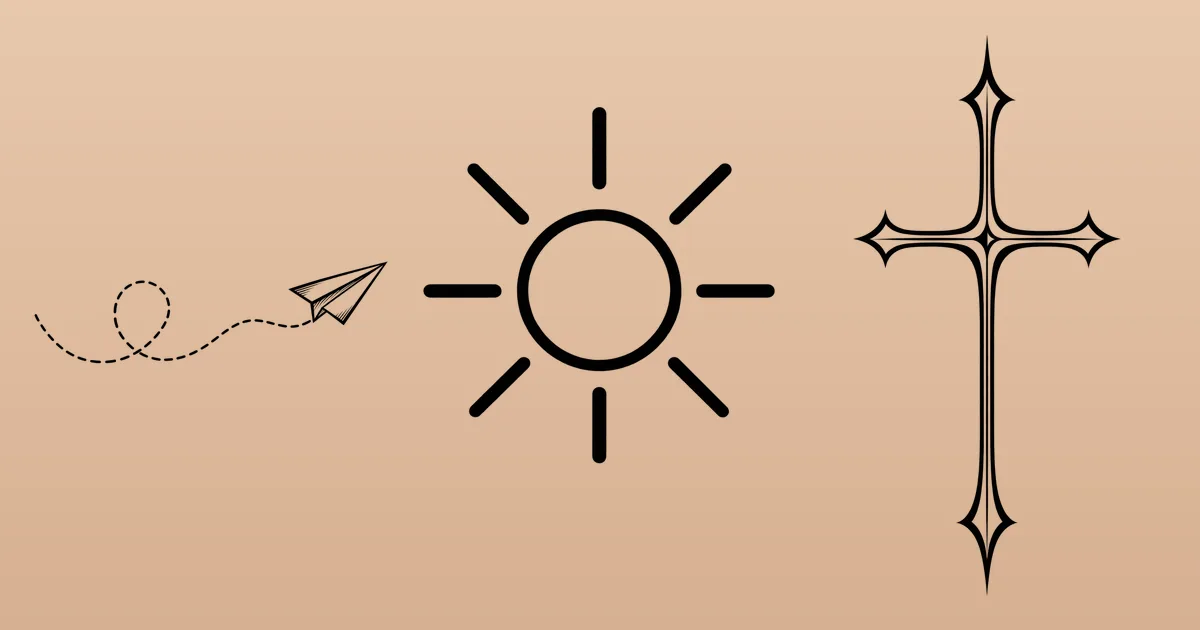
- A tiny symbol on top of a finger, between the first and second joints: a heart, a star, a cross or a crescent moon.
- A sequence across four fingers, such as moon phases or the four card suits.
Finger skin bends and rubs constantly, so finger tattoos tend to fade or blur sooner than tattoos almost anywhere else. Bold, solid shapes fare best; tiny script and fine shading fare worst. Plan for a touch-up from the start. Our small tattoos guide explains why tiny designs need fewer, bolder lines.
Visible every day: the work question
In tattoo slang, hands and necks are "job stoppers." How much that still holds depends on your field, your country and your employer: plenty of workplaces don't mind visible tattoos, and some have dress codes that do. There's no right answer, only a choice worth making with open eyes.
- Check the dress code where you work now, and in any field you might move into.
- Think in decades, not months: a hand piece comes along to every interview and handshake.
- Consider the order. Many people start on a forearm or an upper arm and come to the hands later, and some artists prefer it that way.
The neck raises the same question; see our neck tattoo guide.
Pain, healing and touch-ups
As a general rule, bony spots with thin skin, such as the knuckles, the fingers and the tendons across the back of the hand, are often described as more intense than fleshy areas like the outer arm, though everyone feels it differently. Hand pieces are small, so sessions tend to be short.
Healing is the trickier part, because you can't stop using your hands. Follow your artist's aftercare exactly and tell them what your hands do all day, from gloves to dishwater. If you have a skin condition or a health concern, talk to a doctor before you book. Hands are among the spots most likely to need a touch-up, so ask about touch-ups up front.
Preview a hand tattoo before the stencil
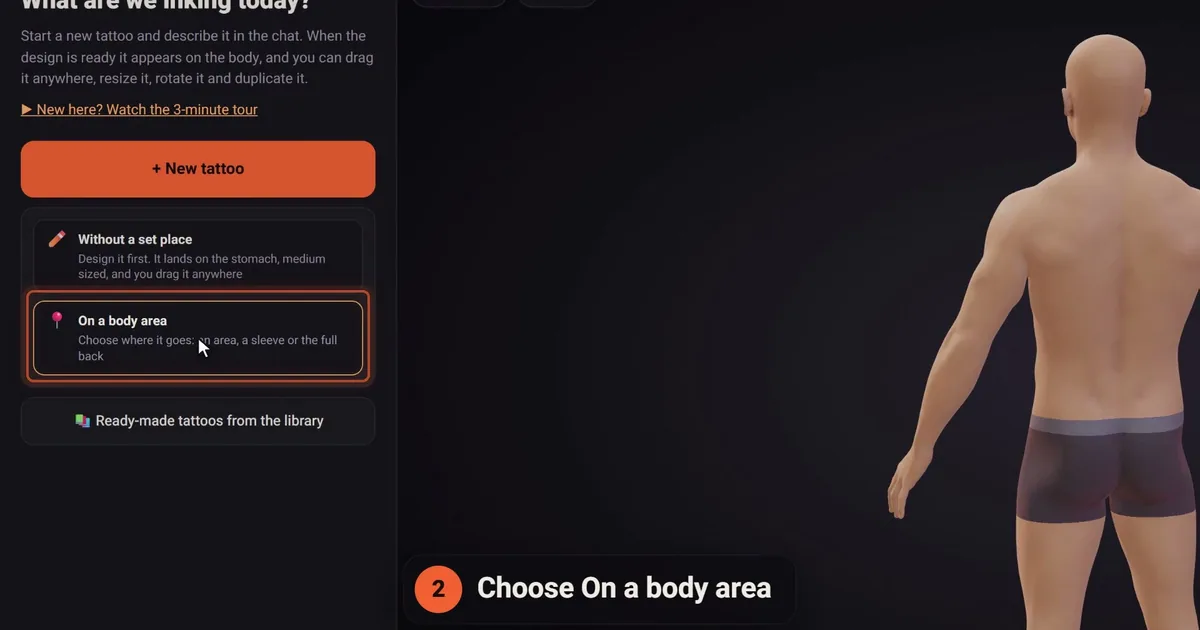
In the click2ink studio, start a new tattoo, tap the hand on the small figure (right or left) and pick one of the 16 styles, or let the artist choose. Then describe it with the hand in mind: "a dagger through a red rose, American traditional, bold outlines, tall and narrow for the back of the left hand, the tip pointing toward the fingers."
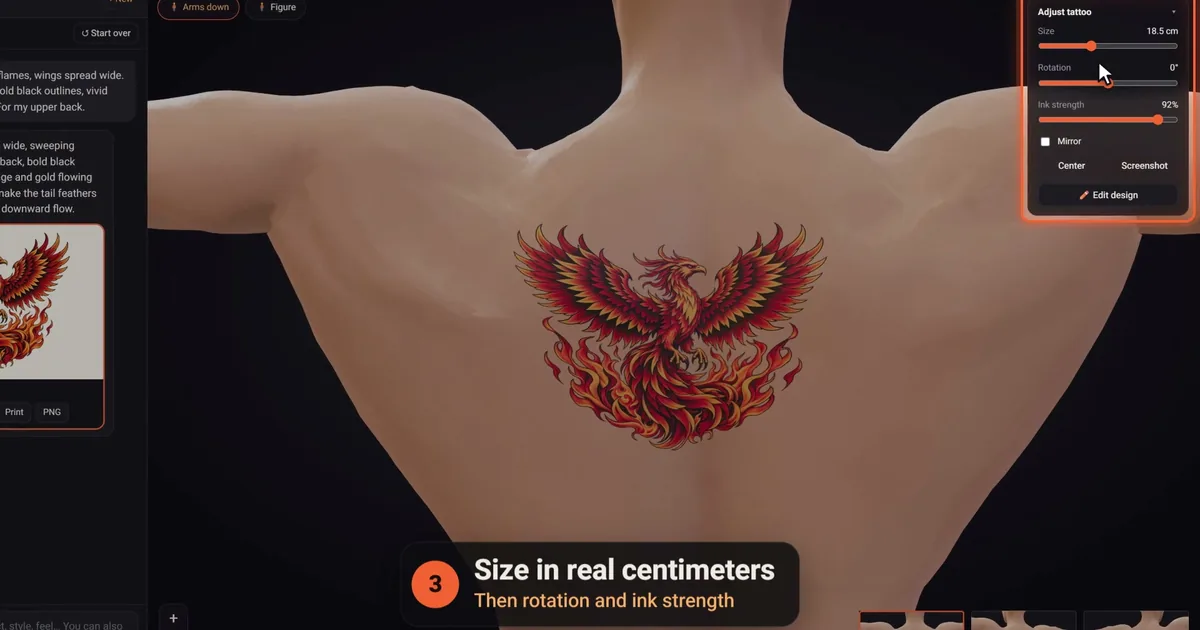
The design lands on a 3D figure sized in real centimeters to your height. Drag it anywhere on the skin, rotate and resize it until it sits well between the wrist and the knuckles, and turn the figure to see it from every angle. If the first version is too busy for a hand, the one-tap Simpler change pares it back for a quarter of a credit.
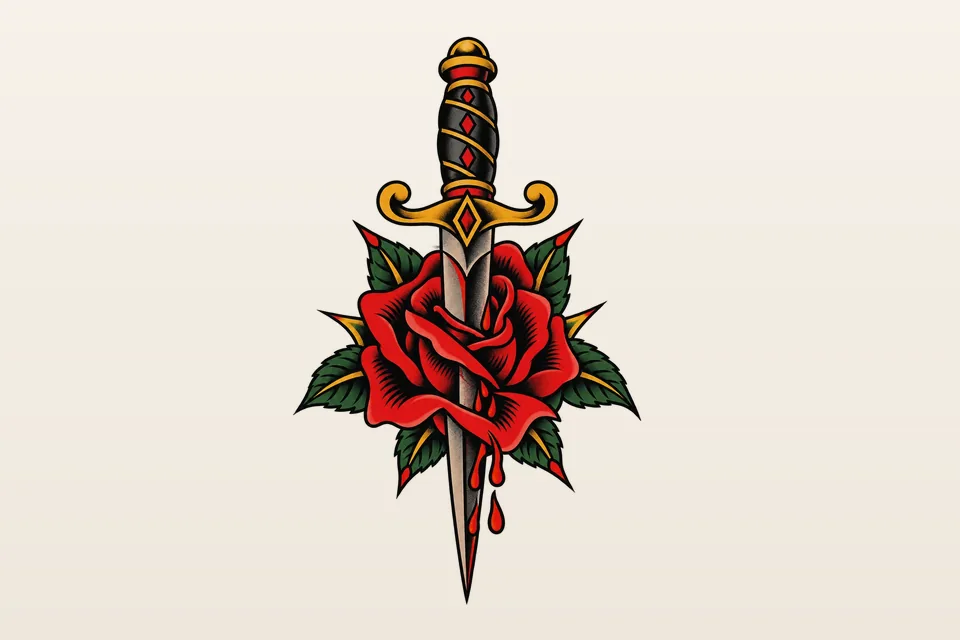
One honest limit: the figure is good for judging a design on the back of the hand, but it isn't built for placing a letter on each finger. Treat finger pieces as small designs you size and print, and settle the exact spot with your artist. Our tattoo placement guide sets the hand beside every other spot, and how it works walks through the studio step by step.
Before you tattoo your hands
How long does a hand tattoo stay sharp?
There's no fixed number. It depends on the design, the artist's technique, your skin and how hard you use your hands. Bold designs on the back of the hand can hold up for years, while fine lines and finger pieces soften sooner. Plan on at least one touch-up, and protect healed ink from strong sun.
Can you tattoo the palm of your hand?
You can, but few artists recommend it. The palm takes constant friction and creases deeply, and ink there often fades, blurs or heals patchily. Many artists decline palm work or ask you to accept the risk first. If you really want something there, ask to see the artist's healed palm tattoos, and keep the design bold and simple.
Why do some artists say no to hand tattoos?
Usually for one of two reasons. Some won't make hands someone's first tattoo, because they want you to be sure about something that's always on show. Others turn down designs that won't hold up, like tiny detail or fine lines on the fingers. Either way, it's a judgment about the tattoo, not about you, and worth hearing out.
Should a hand tattoo point toward the fingers or the wrist?
Most designs look best pointing toward the fingers, along the long lines of the hand: a dagger's tip, a rose's stem, an ornament's chains. Upright subjects, such as an animal's face, usually have their top toward the wrist, so they read the right way up when your arm hangs at your side. Check both directions on a printed stencil.
Are hand tattoos still a problem at work?
It depends on where you work. Many workplaces don't mind them, some have dress codes that restrict visible tattoos, and attitudes vary by country and industry. If it matters, check your employer's policy before you book. It's your call either way; hands are simply the one spot a long sleeve can't cover.
What size should a hand tattoo be?
Big enough to fill the back of the hand without crowding the knuckles or the wrist: on most adults, roughly 3 to 10 cm (1 to 4 in) on the longest side. Bold subjects can go smaller than detailed ones. Print the design at its real size, as click2ink's print page does, and hold it in place before you book.
What finger tattoo ideas last best?
Simple, bold shapes on the tops of the fingers: a solid heart, a star, a crescent moon, a dot, a thick band worn like a ring, or one bold letter per knuckle. Avoid the sides and the palm side of the fingers, tiny text and fine shading. Even the best finger tattoos usually need a touch-up, so treat one as part of the plan.
Can a hand tattoo be removed later?
It can often be lightened or removed with laser treatment, but it takes several sessions, and no single laser treats every ink color. The American Academy of Dermatology notes that a laser can't safely remove all the ink in one session, and it recommends a board-certified dermatologist for tattoo removal. Choose a hand tattoo as if it's permanent.